If you want tack-sharp lettering and smooth mini details, the “best” resin isn’t just about resolution marketing. It’s about how the resin cures, how brittle (or tough) it gets, and what your wash and ventilation setup can realistically handle.
This guide ranks beginner-friendly resin types for fine detail and lower odor, then breaks down the practical differences between water-wash and IPA-wash so you can choose one path—and stick with it while you dial in settings.
1) Water-Washable Fine-Detail Resin (usually the easiest “low-odor” start)

What it means for fine detail: Water-washable “detail” resins are typically formulated to support thin walls, crisp surfaces, and legible micro-text. The sharper your print looks, the more you’ll notice tiny calibration issues—especially exposure. Overexposure can slightly thicken edges and blur the true silhouette; underexposure can leave tacky resin that “softens” fine features after washing.
Cure behavior you’ll want to watch: After washing, water-washable resins still need a solid post-cure. If you rush post-curing, fine details can look good right away but feel less stable later (and parts can warp or feel rubbery rather than crisp). Post-cure affects hardness, which in turn affects how well details hold their edge.
Brittleness vs toughness tradeoff: Many fine-detail resins—water-washable or not—lean toward higher stiffness. Stiff resins tend to be excellent for engraving-like detail but can be more brittle for thin, stress-prone parts. If your models are mostly decorative or display pieces, brittleness may be acceptable. If you’re printing snap-fit parts, miniature tools, or anything that will get handled, you’ll likely want a tougher variant (covered below).
Practical washing and ventilation: Water-washable setups generally reduce the need for large volumes of IPA, which helps with both odor and flammability risk. Still, you’re not “smell-free”: uncured resin can release odor and VOCs, and the wash step can aerosolize tiny droplets if you’re too vigorous. Gentle handling, good cross-ventilation, and keeping lids on are still worth doing.
Strengths
- Often the most beginner-friendly path for lower odor during washing
- Can deliver crisp surfaces for models with fine geometry
Weaknesses
- Post-cure quality matters a lot for edge stability
- Fine-detail formulations can still be brittle for functional parts
2) IPA-Wash Fine-Detail Resin (often very sharp, with higher wash fumes)
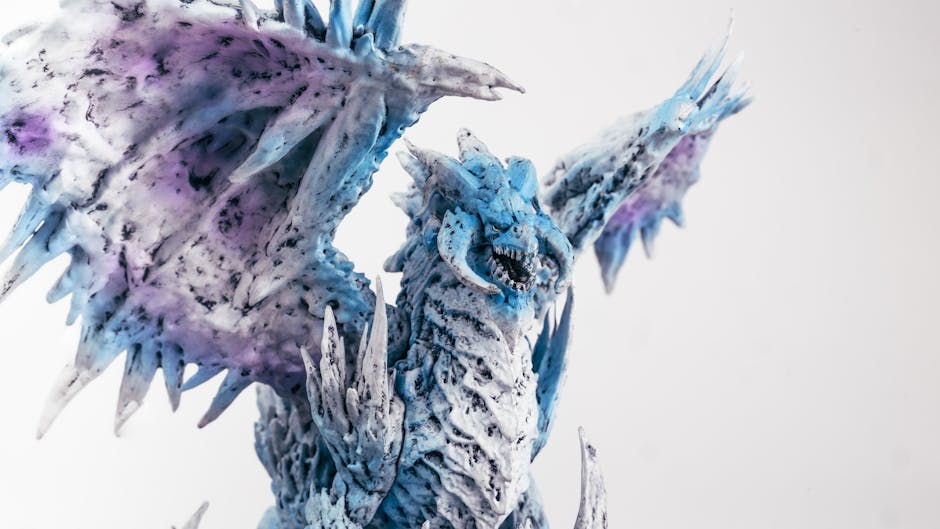
What it means for fine detail: Fine-detail prints depend on two things working together: the resin’s ability to form thin features during exposure, and the wash’s ability to remove uncured resin from tiny recesses. Better cleaning can reduce that faint haze that sometimes makes letters look slightly fuzzy.
Cure behavior you’ll want to watch: IPA-wash resins are often less forgiving of partial curing. If exposure is too low, the resin can remain weak in micro-areas; after washing, those spots may look “almost right” but then soften or discolor during post-cure. If exposure is too high, edges can thicken and text can lose crispness.
Brittleness vs toughness tradeoff: Like most high-detail resins, many IPA-wash detail options are stiff. That can be a feature for sharpness, but it also means thin structures are more likely to chip if you drop them, over-flex them, or remove supports too aggressively.
Practical washing and ventilation: IPA brings a stronger, more noticeable odor and more direct vapor exposure from the washing station. That’s the big downside for “low odor.” If you choose IPA-wash, plan ventilation around the wash workflow: a well-ventilated area, minimal splashing, sealed containers for the dirty IPA, and sensible waste handling. If the wash station is in the same room you print in, the odor can dominate your entire experience.
Strengths
- Often excellent for crisp letters and tiny recesses thanks to effective cleaning
- Clear workflow if your ventilation setup can handle IPA
Weaknesses
- IPA odor and vapor exposure is harder to minimize
- Still typically more brittle for very thin parts
3) Water-Washable Tough Resin (less chippy, good for handled minis)
If your fine details involve functional geometry—thin handles, delicate but stress-prone parts, props that get handled—tough resin is often the “smart” starter upgrade.
What it means for fine detail: Tough resins can still produce sharp prints, but the best results usually come when you match exposure and post-cure to that resin’s material behavior. Some tough formulations may prioritize impact resistance over the absolute sharpest edge definition. The result can be slightly softer transitions on ultra-small features compared with the most detail-focused resins.
Cure behavior you’ll want to watch: Toughness is tied to how thoroughly the resin network forms. Under-curing tends to make parts feel rubbery or gummy; over-curing can make them harder than expected (and sometimes more brittle than the label implies). For fine shapes, getting the balance right prevents details from “rounding” after repeated stress.
Brittleness vs toughness tradeoff: This is where tough resin shines. You’ll typically get better resistance to chipping and cracking in thin sections. For thin text on a part that might be knocked around, tougher chemistry can preserve legibility over time.
Practical washing and ventilation: If it’s water-washable tough resin, you generally keep the benefit of easier, less solvent-heavy washing. The ventilation difference is usually more about reducing IPA vapor than eliminating resin odors entirely. You still want gloves, careful handling, and dedicated wash tools.
Strengths
- Better for parts that get handled or see impact
- Less prone to chipping while keeping fine surfaces readable
Weaknesses
- May not match the absolute edge crispness of dedicated “detail” resins
- Exposure and post-cure tuning is still essential
4) Low-Odor Resin (choose this when ventilation is the limiting factor)
“Low odor” resins are formulated to reduce the harshness of fumes compared with typical standard formulations. They’re a strong choice if you’re constrained by room ventilation, shared spaces, or you simply want fewer sensory side effects while printing.
What it means for fine detail: Low-odor doesn’t automatically mean high-detail—but many makers select low-odor resins that still support sharp surfaces and fine features. The practical approach is to treat low-odor as a workflow advantage (comfort and time spent near the printer), then verify sharpness through real test prints: small text, thin lines, and a shallow-detail face.
Cure behavior you’ll want to watch: Lower-odor formulations can vary widely in how they behave when cured. Some will need careful exposure validation to avoid tackiness; others may appear cured but still feel less firm until post-cure is complete. For crisp edges, consistent post-curing matters, because hardness affects whether fine lines maintain their shape.
Brittleness vs toughness tradeoff: Low-odor resins can be anything from stiff detail types to tougher blends. If your goal is “fine and durable,” prioritize the tough variant first, then confirm the odor reduction is what you actually need.
Practical washing and ventilation: Low-odor helps during printing and post-processing, but washing still matters. If your low-odor plan includes IPA, you may still smell IPA strongly at the wash station. If you want the most odor control, pairing low-odor resin with water-wash workflow (when available) tends to be the calmer setup.
Post-cure workflow tip: Whatever you choose, make post-curing efficient so parts spend less time in the “partially cured” state. A curing unit like SUNLU UV Resin Curing Box can help you standardize post-cure time and reduce how long you handle uncured residue.
Strengths
- Better comfort when ventilation isn’t great
- Can work well for fine detail if you validate sharpness with tests
Weaknesses
- Odor reduction varies by formulation; sharpness still needs tuning
- Washing method (water vs IPA) can still dominate your smell experience
Dial in sharp text and keep odor under control
No matter which resin type you start with, fine detail depends on minimizing the small failures that blur letters and soften edges.
-
Focus your first calibration on exposure consistency
Sharp text is sensitive to under- and over-exposure. Underexposure often leaves weak, under-cured resin in micro-details, while overexposure can “bloom” edges and slightly distort the crispness you’re trying to print. -
Don’t treat post-cure as optional for fine work
Post-cure affects hardness and how well details keep their edge definition after washing. Fine features are small—so incomplete post-curing shows up faster as soft edges, slight haze, or stress sensitivity. -
Match toughness to how your prints will be used
If you’re printing display miniatures with delicate text, a stiffer fine-detail resin can be ideal. If your parts will be handled, snapped onto things, or knocked around, tough resin is the safer way to preserve detail over time. -
Reduce odor where it actually happens: near the printer and at the wash station
Even “low-odor” resin can smell during printing and cleaning. Keep the printer enclosure closed during operation when possible, and design your wash routine so dirty solvent or rinse water stays covered. Use gloves, avoid splashes, and keep your wash area separate from where you breathe most. -
Wash waste responsibly
Water-wash doesn’t mean “safe to pour.” Resin residues should be cured/handled per your local disposal rules. For IPA workflows, keep containers sealed and dispose of contaminated solvent properly. This protects both your workspace air and your surroundings.
If you want one practical starting point: pick the option that matches your tolerance for washing odor. For many beginners chasing crisp text with less smell, water-washable fine-detail resin is the easiest launchpad. If your ventilation is strong and you want consistently clean recesses, IPA-wash detail resins can be exceptionally sharp. If your prints need to survive handling, step up to a tougher resin and accept that “perfectly razor sharp” may trade off slightly against real-world durability.
PriceIt3D may earn a commission when you buy through links on this page, at no extra cost to you. Affiliate notice.