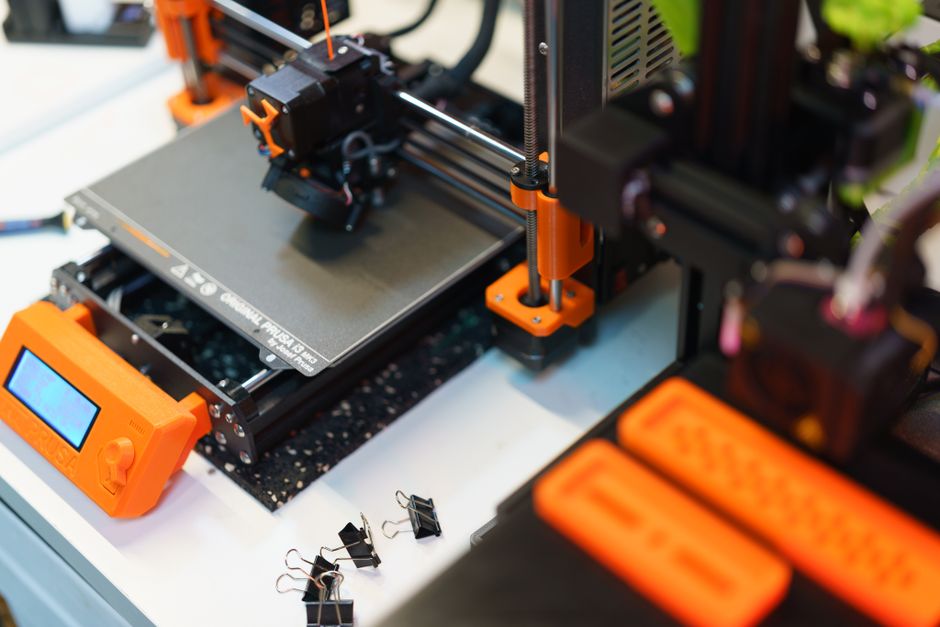
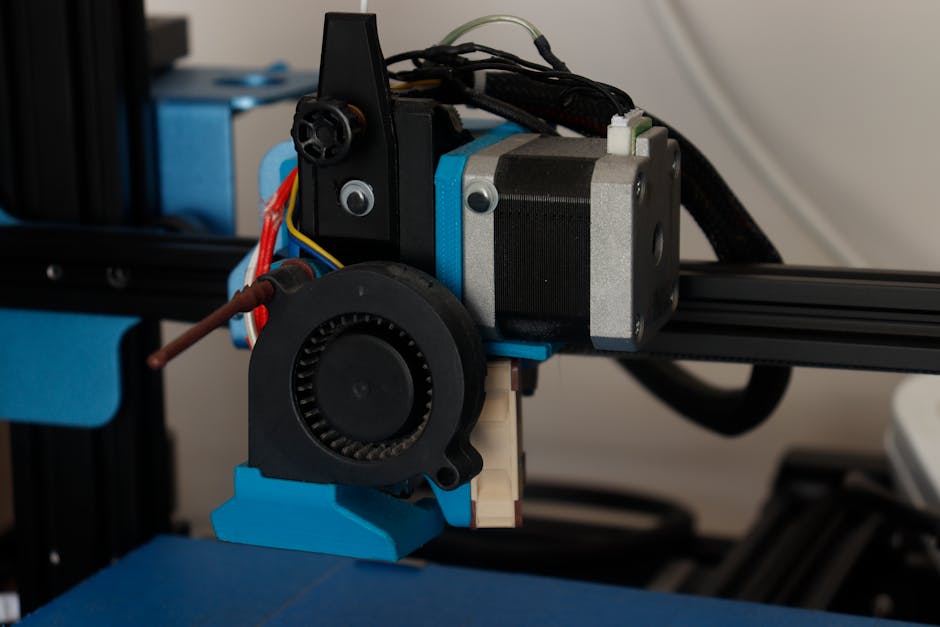
Printing ABS and ASA inside a normal room can be a mess—strong smells, fine particles, and the simple fact that hot electronics plus filament are an always-on fire-risk recipe. The right enclosure reduces both odor and exposure, while also making sure heat stays where it belongs.
This guide ranks the enclosure options that best match what real buyers care about: fire safety (materials and layout), filtration/venting choices, sealing quality, and heat tolerance for ABS/ASA.
1) Metal-lined enclosures with ducted exhaust (best for fire safety + odor control)

Strengths
- Lowest odor buildup: ducting sends fumes outside instead of recirculating them.
- Better control during “oops” moments: when something smokes, you’re actively moving that air away.
- Fire-resistance is easier to design around: metal walls, non-combustible liners, and heat-rated cable management reduce the chance that an internal fire spreads.
Weaknesses
- Installation effort: you’ll need a route for the duct, a fan setup, and a way to manage back pressure.
- More moving parts: fans/ducts add maintenance (cleaning and filter or damper checks depending on your setup).
- Temperature retention isn’t automatic: you must still manage how much air you exhaust while maintaining enclosure heat stability.
2) Sealed charcoal + HEPA enclosures with recirculation (best when you can’t vent outdoors)
Strengths
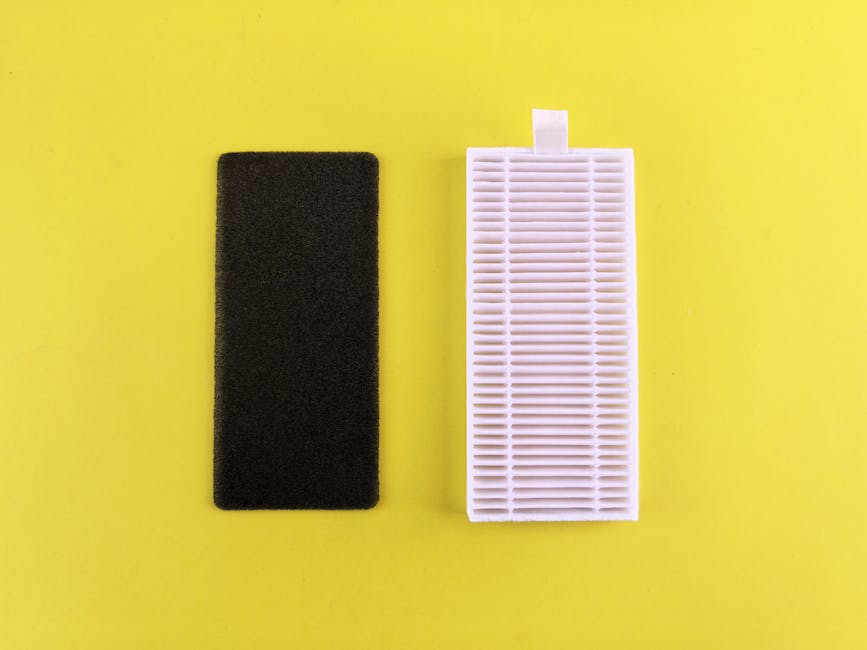
- Odor reduction without ducting: activated carbon targets VOCs responsible for that “plastic smell.”
- Particle control: a HEPA stage captures fine particulates that you don’t want floating in your room.
- More portable: you don’t need a permanent duct run.
Weaknesses
- Charcoal saturation is real: carbon becomes less effective over time, so you need a predictable maintenance/replace plan.
- Sealing quality matters a lot: if the enclosure leaks, odors will bypass the filters.
- Heat management is trickier: you still need to keep enclosure temperatures stable for ABS/ASA without putting too much stress on components.
3) Fire-conscious “cabinet style” enclosures (best for steady ABS/ASA temps with safer internals)
Some enclosure builds are more like a purpose-made cabinet: insulated walls, controlled airflow paths, and a layout that keeps the hottest regions away from power supplies and wiring. This approach is often the sweet spot for home users printing materials like OVERTURE ASA 1kg 1.75mm White, where odor can be strong and temperature control helps reduce warping and layer stress.
Strengths
- Better heat stability: consistent enclosure temps improve reliability for warping-prone parts.
- Fire safety improves with layout: careful internal routing reduces the chance that a heat or smoke event reaches power electronics.
- Sealing is usually designed-in: door and cable pass-throughs are often the focus.
Weaknesses
- Odor control depends on how you handle airflow: a cabinet that’s sealed but “still” air won’t remove VOCs effectively; it needs airflow design (filtering or venting) to do the job.
- Temperature tolerance still varies: not every “enclosure” is made from materials that tolerate repeated heat cycles.
4) DIY or modular fire-rated builds (best for tailoring fire safety, but only if you engineer the details)
A lot of home builds can be made safer than off-the-shelf enclosures—if they’re built around fire-rated principles. That means thinking about what burns, what’s heated, where smoke goes, and how the system behaves during a failure. A well-planned modular approach can also let you upgrade odor control later (for example, upgrading from passive recirculation to ducted exhaust).
For a starting point, commercially available enclosure components can help; for example, The Original Prusa Enclosure (Parts) may be a useful reference for how an enclosure can be structured, while still requiring you to implement safe electronics placement and a suitable ventilation method for your filament and room.
Strengths
- You can prioritize fire resistance: choosing non-combustible liner materials and heat-rated cable routes is fully in your control.
- Flexible odor strategy: add ducting later, change fan speeds, or swap filter stages when needed.
- Better fit for your workspace: you can design clearances around flammables and make access easier for inspections.
Weaknesses
- Easy to get wrong: DIY enclosures often fail the basics—gap sealing, fan control, or using materials that soften or off-gas under heat.
- Safety depends on execution: the same “idea” can be safe or unsafe depending on how it’s built.
Which enclosure type should you choose for fire safety and odor control at home
Choose based on your constraints first, then verify the enclosure meets the safety and performance requirements that actually affect outcomes.
Use these checks before committing to an enclosure style:
- Confirm fire-tolerant materials in the hot zone: prioritize metal/non-combustible liners, and avoid relying on thin plastic parts inside areas exposed to heat or smoke.
- Check sealing and airflow paths: look for well-fitted doors/gaskets and sealed cable pass-throughs so odor control systems don’t bypass filtration.
- Choose ducted exhaust if you can: for strongest odor control, ducting removes fumes from the home rather than recirculating them.
- If recirculating, use both particle filtration and odor media: HEPA for particles plus properly sized activated carbon for VOCs, and plan for predictable filter replacement.
- Verify heat/temperature tolerance for ABS/ASA use: the enclosure must tolerate repeated warm cycles without warping, and internals must be rated for the temperatures you’ll run (especially if you print ABS/ASA like OVERTURE ABS 1kg 1.75mm White).
- Keep electronics away from the danger zone: ensure power supplies and wiring aren’t sitting in direct airflow that could carry smoke or heat, and that airflow doesn’t overheat components.
Quick matching guide:
- If odor control is the top priority and ducting is possible: go with metal-lined, ducted exhaust.
- If ducting is not possible and you can maintain filters: choose sealed recirculating charcoal + HEPA.
- If you need stable enclosure temperatures for ABS/ASA and safer internal layout: pick a cabinet style design with a deliberate airflow strategy.
- If you want maximum control and have the skills to engineer safety details: build fire-conscious DIY/modular, with careful attention to sealing, materials, and ventilation.
The practical next step: pick the enclosure style that matches your ventilation constraints (ducted vs recirculating), then verify the materials and sealing meet the fire-safety basics and odor path requirements—not just the “looks like a box” factor.
PriceIt3D may earn a commission when you buy through links on this page, at no extra cost to you. Affiliate notice.