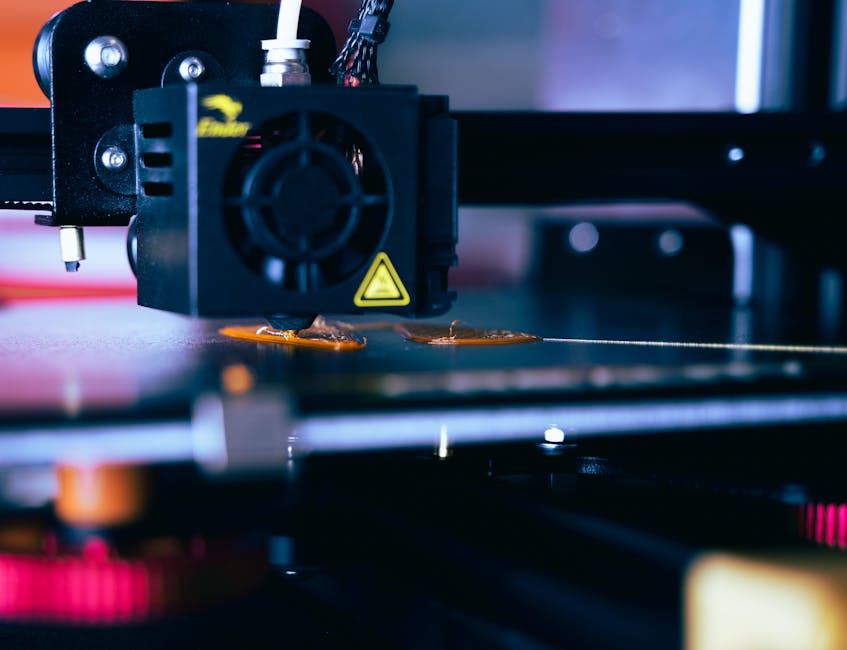
Abrasive filaments don’t just dull a nozzle—they can change how plastic flows and make prints look worse in surprisingly short time. The good news: the nozzle material (and sometimes a coating) can massively slow wear when you’re printing carbon/metal-filled blends, wood, glow, or other gritty compounds.
Below, you’ll learn how brass, hardened steel, and ruby-tipped nozzle options differ, what coatings can (and can’t) do, and how to pick the right combo for your filament and printer setup.
Why Abrasive Filaments Wear Nozzles Faster
- Mechanical abrasion: hard fillers (carbon fiber, metal powders, mineral particles) act like tiny cutting tools. They scratch and erode the inner walls.
- Abrasion plus heat exposure: as particles heat up and pass through, they increase stress on the nozzle throat.
As wear progresses, you’ll usually see one or more of these symptoms: higher extrusion variability, thicker or thinner lines than expected, more stringing, rougher surface finish, and gradual dimensional drift (because the effective flow path changes).
Brass vs Hardened Steel vs Ruby-Tipped Nozzles
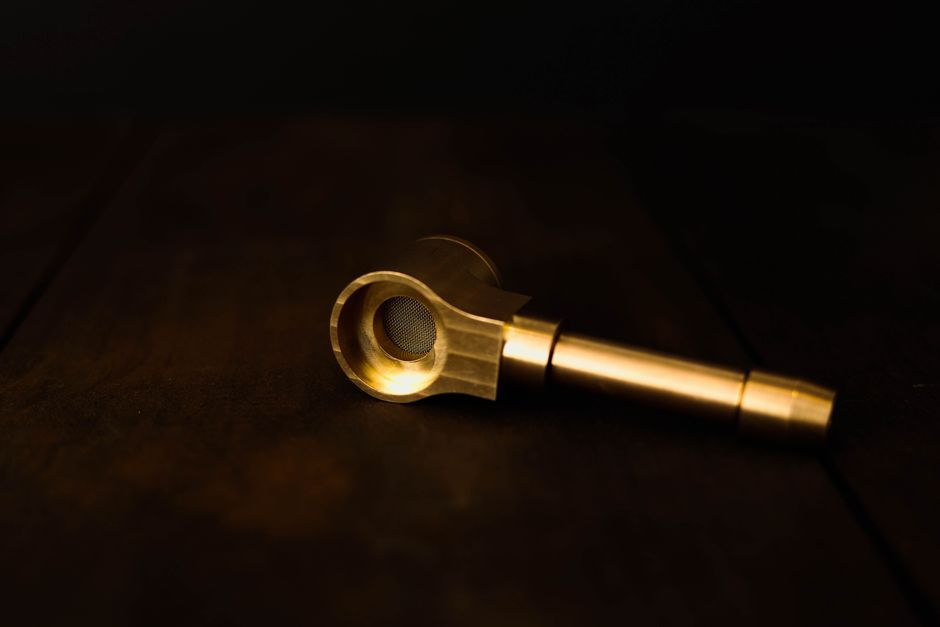
Brass Nozzles (The Easy, Cost-Effective Baseline)
Brass is common because it’s machinable and often performs well with many standard filaments. For abrasive blends, the issue is simple: brass is softer than steel-based options, so the hard filler particles can scratch and enlarge the orifice sooner.
What this means for you:
- You may get usable results for non-aggressive blends, especially if abrasives are low or you print briefly.
- If you regularly print carbon/metal-filled, wood, or very gritty filaments, wear will be faster—requiring more frequent nozzle swaps and more frequent flow tuning.
Hardened Steel Nozzles (Better Wear Resistance)
Hardened steel nozzles are a step up for abrasive materials because the metal is harder and more resistant to scratching. In practice, that typically means the nozzle throat changes more slowly, so extrusion stays more consistent for longer.
What this means for you:
- Hardened steel is a strong “default upgrade” if you’re printing abrasives regularly.
- You can expect better dimensional consistency over time compared with brass.
- Depending on your setup, you may still need occasional maintenance if your filament is particularly abrasive or if you run high flow rates.
Ruby-Tipped / Gem-Style Nozzles (High Hardness at the Throat)
Ruby-tipped nozzles place a very hard insert at the most critical wear location: the small region around the orifice. Since abrasion damage concentrates right where plastic squeezes through, targeting hardness exactly there can reduce wear dramatically.
What this means for you:
- Ruby-tipped options are often the most durable choice when you’re printing strongly abrasive mixes (certain mineral and metal blends, heavy wood composites, and frequent carbon-filled printing).
- They can help maintain consistent flow and surface quality across longer runs.
- They may be less ideal if you rarely print abrasive filaments, because you’ll want to balance durability with practicality (and replacement/maintenance realities).
Coatings That Reduce Wear (and When They Help)
A nozzle coating is meant to reduce friction and/or improve surface hardness at the nozzle interior. In theory, that can help with abrasion. In practice, coatings have limits:
- Coatings work best when wear is mostly abrasion and friction at the surface. If the nozzle geometry is being eroded rapidly, you’ll still see gradual changes—just more slowly.
- Coating durability matters. Some coatings withstand heat and abrasion better than others. If a coating degrades, the benefit can shrink.
- Clogging behavior can change. Very smooth or very hard surfaces may reduce buildup for some filaments, but certain blends can still cause residues.
Coatings you’ll often hear about include hard nitrides and DLC-like coatings. They’re most worth considering when you’re printing abrasive filaments often, but you want extra help beyond the base metal hardness. For occasional abrasive printing, switching from brass to hardened steel may deliver the biggest visible improvement without making your setup overly complex.
How to Choose and Dial In Your Setup
Selecting the “best” nozzle material isn’t one-size-fits-all. The right choice depends on how abrasive your filament really is, how often you print it, and how much you care about keeping flow and surface finish stable.
Use this practical workflow:
- Identify how abrasive your filament blend is. Carbon/metal-filled and many mineral/wood composites tend to be far more abrasive than standard PLA/PETG. Glow and specialty blends can vary widely—if the filament feels gritty or you’ve already noticed nozzle wear, treat it as abrasive.
- Match nozzle hardness to your printing frequency. If you print abrasives occasionally, a hardened-steel upgrade may be enough. If you print abrasive blends regularly or run high throughput, ruby-tipped/nozzle-throat-hardness approaches are often the better long-run choice.
- Control melt flow to reduce particle stress. Aggressive temperatures and very high flow rates can increase wear by pushing more material through a small area at higher stress. Aim for the filament’s normal working range and avoid unnecessary “hot and fast” printing.
- Plan for measurement, not just guesses. When wear changes the orifice, flow and dimensional accuracy drift. Print a small calibration object (or a known test geometry), then compare wall thickness or line width against earlier results.
- Maintain before the nozzle gets sloppy. If you start seeing rising stringing, inconsistent extrusion, or rough surfaces, don’t wait until a nozzle is fully worn. Cleaning and timely nozzle replacement are usually cheaper (in time and failed prints) than repeated troubleshooting.
A simple rule of thumb: if your abrasive filament is a frequent project ingredient (not a one-off experiment), prioritize wear resistance first, then consider coatings as an extra layer of protection.
Practical Verdict: Which Nozzle and Coating Fits Your Abrasive Use
- Choose brass only if your abrasive filament is mild, you print it rarely, or you need a low-effort, low-cost option while you experiment. Expect faster wear if you make it a regular material.
- Choose hardened steel when abrasive filaments are part of your normal workflow and you want better consistency than brass—without overcomplicating your setup.
- Choose ruby-tipped or similarly hard throat designs when you’re printing strong abrasive blends frequently and want the most stable wear profile to protect surface finish and dimensional accuracy.
- Add a coating when you want extra help with abrasion/friction and your coating choice is known to be durable under your operating temperatures and filament types.
The next best step: look at your abrasive filament lineup and decide whether you’re in “occasional,” “regular,” or “frequent” territory—then pick the nozzle material that matches that frequency, and run a short dimensional test to lock in your baseline before you print something important.
PriceIt3D may earn a commission when you buy through links on this page, at no extra cost to you. Affiliate notice.