Heat-resistant functional parts fail in boring ways: layers separate, parts warp off the build plate, or the material creeps when it gets warm. The right filament can help a lot—but only if you match it to your printer’s temperature capability, enclosure ability, and material handling.
Below is a practical ranking by heat capability, warping risk, and what hardware/process changes are typically required.
Nylon for Heat-Tough Functional Parts
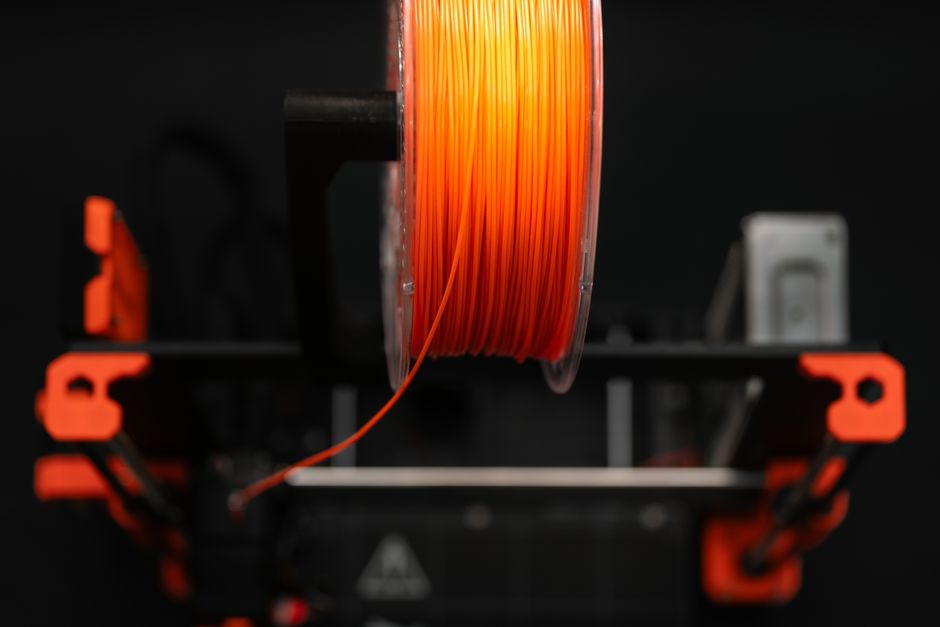
The trade-off: nylon hates moisture and it can warp when the part and bed aren’t kept thermally stable. If you’ve ever seen stringy extrusion, bubbling, or inconsistent layers, nylon dryness is usually the fix.
If you want a concrete starting point, these nylon examples are in the right family for heat-tough, functional prints: OVERTRUE Nylon 1kg 1.75mm Gray and OVERTRUE Nylon 1kg 1.75mm Black.
Nylon strengths
- Good balance of toughness and heat tolerance for functional parts like housings, brackets, and wear-resistant components
- Often a smoother path than extremely high-temperature polymers (assuming you manage drying)
Nylon weaknesses
- Moisture sensitivity (drying and storage matter as much as temperatures)
- Higher warping risk than “casual” filaments if your enclosure/bed stability isn’t up to the job
Polycarbonate Blends for Stiffness Under Heat

The trade-off: PC blends are usually pickier to print than nylon. You’ll generally need stronger thermal control (enclosure and stable bed heating), and part quality depends heavily on consistent drying and correct cooling.
Polycarbonate blend strengths
- Typically excellent stiffness for heat-exposed functional geometry
- Often better dimensional stability than many tougher plastics when printed in a controlled environment
Polycarbonate blend weaknesses
- Can be harder on typical printers without an all-metal hotend, good thermal management, and stable bed heating
- Warping can still happen—especially on large flat areas or tall thin walls—if the chamber isn’t warm enough
High-Temperature PEI and PEEK-Class Plastics for Maximum Temperature
If “heat-resistant” means sustained high temperatures, you move into PEI/Ultem-type and PEEK-class territory. These materials are chosen for their higher temperature capability and better long-term performance characteristics compared to common hobby plastics.
The practical reality: high-temp polymers usually require more capable printing hardware and tighter process control. That includes higher-nozzle-temperature capability, consistent chamber heat, and abrasion-resistant setups when relevant.
High-temp polymer strengths
- Strong potential for demanding thermal environments where creep and softening matter
- Better “staying the shape” behavior for mission-critical functional parts
High-temp polymer weaknesses
- Typically higher barriers: hotter printing, more thermal control, and more risk of failed adhesion or poor layer bonding
- Many users treat them as “process materials” rather than casual filament
Warping Risk: How to Keep Heat-Resistant Parts Straight
Heat-resistant filaments don’t automatically mean “warp-free.” Warping is largely a stress problem: different parts of the print cool at different rates, and the layers shrink unevenly.
To reduce warping risk, focus on these factors:
- Thermal stability while cooling
- An enclosure (or at least a controlled draft-free space) helps keep the whole part closer to the same temperature as it transitions from “soft enough to stick” to “solid enough not to move.”
- Adhesion you can trust
- Whatever build surface you use, you need consistent first-layer quality. With heat-tolerant plastics, adhesion failures often look like corner lift early on, then progressively worse geometry.
- Geometry choices
- Wide flat areas, sharp corners, and tall thin walls increase curling and internal stress. Rounding corners, adding fillets, and redesigning ribs can reduce stress without changing the functional intent.
- Moisture control
- Nylon and PC blends are especially sensitive. Moisture can weaken bonding and worsen surface quality—which can indirectly increase failure modes like delamination.
Hardware and Process You’ll Need
The “best filament” is the one your printer can actually print reliably. Before committing to heat-resistant materials, check that your setup matches their typical requirements.
- Enclosure or warm chamber: Helps minimize thermal gradients and reduces warping risk.
- All-metal hotend / temperature headroom: Many heat-tolerant filaments want higher stable hotend temperatures than standard setups.
- Heated bed with solid stability: Needed for first-layer adhesion and overall thermal consistency.
- Drying and storage plan: A drying solution and sealed storage are critical for nylon and helpful for PC blends.
- Nozzle readiness (often hardened for abrasion): Some high-temp or filled materials wear nozzles faster; plan for maintenance.
- Consistent cooling strategy: Too much direct cooling can hurt layer bonding; too little can cause other defects—dial it in per material.
If you’re upgrading hardware, prioritize items that directly impact warping and layer bonding: enclosure, bed stability, and dry filament handling. Everything else is secondary until those fundamentals are solid.
Which Filament Should You Choose
Use this quick ranking guide as a starting point. It balances heat capability with how often things go wrong, and what hardware/process changes are usually required.
-
Nylon (tough heat tolerance, moderate hardware demands)
- Best for functional parts where toughness matters and you can commit to drying and stable printing.
- A good first step into heat-tolerant plastics if your printer can run an enclosure and higher-temp prints.
-
Polycarbonate blends (stiffness and shape retention)
- Best when your part must stay rigid under warmth and you can provide a controlled thermal environment.
- Choose this when nylon toughness isn’t the limiting factor—dimensional stiffness is.
-
High-temp PEI and PEEK-class polymers (maximum thermal performance)
- Best for sustained high-temperature functional parts where creep and softening are unacceptable.
- Choose this if you’re ready for a more demanding setup and more careful process control.
-
You stay flexible with design first
- If warping is your biggest headache, redesign your part for stress relief before chasing more expensive filament.
- The most reliable “heat resistance” upgrade is often better thermal management and geometry that reduces internal stress.
If you want the simplest next move: pick nylon if your printer can handle an enclosure and you can keep filament dry; pick PC blends if stiffness under warmth is the priority; and pick PEI/PEEK-class only when your part truly needs maximum temperature capability and you’re ready for the hardware/process overhead.
PriceIt3D may earn a commission when you buy through links on this page, at no extra cost to you. Affiliate notice.