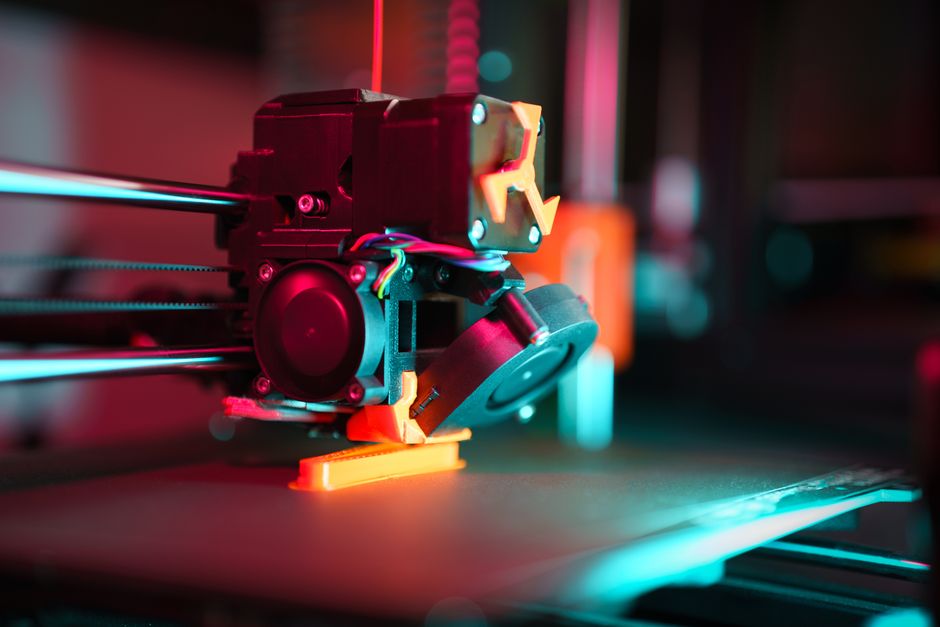

A direct-drive extruder upgrade can noticeably improve how your Ender 3 handles retraction and flexible filaments—but it also adds parts that need occasional attention. A stock Bowden extruder, on the other hand, often prints cleanly when tuned well, with maintenance that’s more about the PTFE path and less about the driveline.
This guide compares both setups for print quality (retraction, stringing, and detail) and for ongoing maintenance (complexity, wear points, and what tends to cost you time).
Direct Drive Upgrade: What Changes for Quality
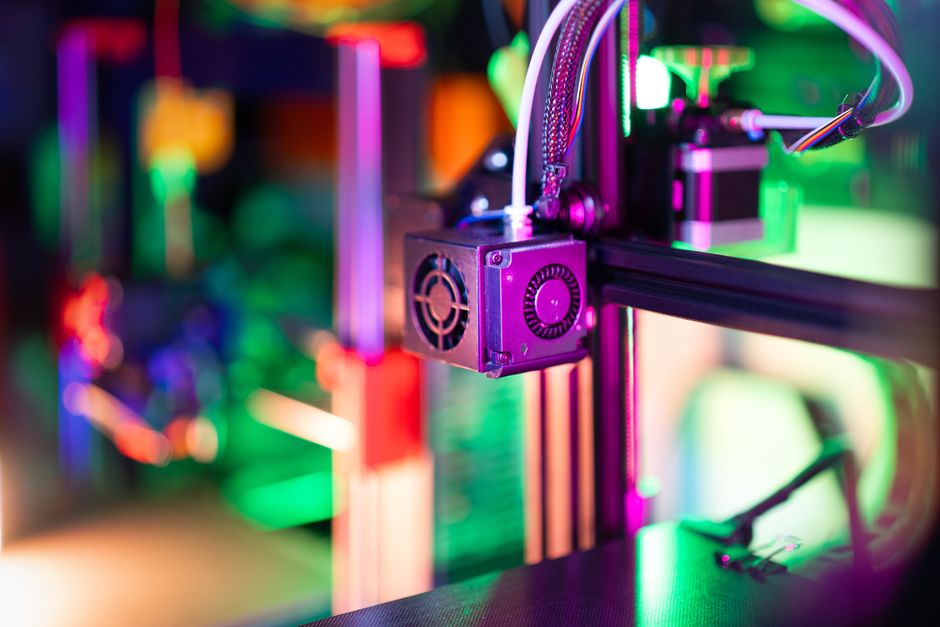
Strengths (what you typically gain)
- Better retraction control: With less distance for filament to lag, you usually need less “brute force” retraction to reduce wispy strings.
- Sharper detail on small features: Because filament movement is more immediate, you can often tune to reduce blobbing at corners and small travel moves.
- More reliable flexible filament feeding: Flexible materials generally benefit from direct drive because they’re less prone to buckling through long PTFE runs.
- Easier tuning for tricky materials: When switching between PLA, PETG, TPU, or other flexible blends, the direct-drive response often makes it easier to land on stable settings.
Weaknesses (what you give up)
- More hotend mass moving with the printhead: Depending on the exact upgrade, added weight can slightly increase ringing or limit how aggressively you can push speed.
- More driveline wear points: Direct drive concentrates the mechanical action at the toolhead, so components like the idler/bearing surfaces and drive gears can wear from material debris.
- Potential for heat-related issues in cramped designs: If the upgrade packaging traps heat or limits airflow, you may need to be more careful about cooling and part fit.
For quality, the biggest practical takeaway is this: direct drive tends to make retraction tuning more responsive, especially on short travel moves and when you’re fighting stringing.
Stock Bowden Extruder: Why It Still Works Great

Strengths (what you typically gain)
- Light, stable toolhead: With the motor off the carriage, you often get a smoother motion system, which can help with high detail at moderate speeds.
- Simple filament path: Once your tube and couplings are aligned and seated, the workflow can be straightforward.
- Works well with rigid filaments: For PLA and many PETG prints, Bowden can produce excellent results with correct retraction and temperature settings.
Weaknesses (what you typically fight)
- More retraction “lag”: Because the filament travels through the tube before it fully reacts, retraction moves can be less immediate—this can show up as stringing on tiny gaps.
- Less friendly to flexibility: Flexible filaments often struggle in Bowden setups because they can buckle in the tube or get inconsistent pressure at the nozzle.
- Maintenance focuses on alignment and tube condition: Dust, partial clogs, loose couplers, and tube wear can create inconsistent extrusion that looks like “tuning problems.”
If you already have stringing under control with your Bowden setup, direct drive may still improve reliability on travel moves—but it may not be strictly necessary for every rigid-material user.
Print Quality: Retraction, Stringing, and Detail
When you compare these systems, think in terms of one question: how quickly does your extruder respond to the firmware’s retraction and unretraction commands?
-
Retraction response time
- Direct drive generally responds faster because the extruder is closer to the nozzle and filament path is shorter.
- Bowden needs retraction values and travel planning to “cover” the tube delay, so you may need more careful tuning.
-
Stringing behavior
- Direct drive often reduces the need to compensate aggressively. That can mean fewer fine strings across travel paths, especially when your model has lots of small islands.
- Bowden can string if retraction timing isn’t matched to your material behavior. Common culprits include temperature that’s a bit too high, retraction that’s too low, or retraction that’s too high (which can worsen blobs by disturbing flow).
-
Corner quality and blobbing
- If retraction is too aggressive or not aggressive enough, you’ll see different symptoms. Direct drive may make those symptoms shift more predictably during tuning; Bowden can make the “fix” feel less immediate.
Retraction tuning that applies to both
Whichever setup you choose, stringing usually improves when retraction is paired with temperature and cooling. After a direct-drive upgrade, treat it like a new material/motion system rather than a simple parameter swap.
- Start with a conservative retraction change so you can observe the direction of improvement (less stringing vs. more blobs).
- Print a retraction test geared to travel distances similar to your real models (small gaps expose tuning flaws fast).
- Verify nozzle cleanliness and consistent extrusion before chasing settings—oily residue or partial clogs mimic “wrong retraction.”
- Adjust temperature in small steps because softer plastic at the nozzle increases ooze and stringing.
- Confirm cooling fan behavior (stable fan speed and correct duct airflow) so the nozzle cools during travel.
- Save settings with your slicer profile and retest the same geometry after each change.
Flexible Filament Performance: TPU and Beyond
Flexible filament is where the “mechanical reality” of the extruder style shows up.
- Direct drive advantage: The shorter path reduces the chance that TPU will buckle and the chance that pressure delivery at the nozzle becomes inconsistent. That typically improves the ability to extrude smoothly on the first layer, during small travel moves, and around curves.
- Bowden challenge: Flexible filaments can compress inside the tube, leading to uneven feed. You may compensate with aggressive retraction or different temperatures, but that often turns the problem into a balancing act between stringing and under/over-extrusion.
Even within direct drive, flexible printing can demand careful attention to line pressure, retraction behavior, and cooling. But if flexibility is a priority, direct drive is usually the more forgiving mechanical choice.
Maintenance and Ongoing Complexity: Costs in Time and Effort
Maintenance isn’t just “how many parts”—it’s also what kind of problems show up and how hard they are to diagnose.
What direct drive adds
A direct-drive upgrade concentrates extrusion mechanics in the printhead area. That usually means you’ll spend more time watching:
- Gear and idler wear from material grit and inconsistent pressure
- Debris buildup around the drive path and around filament seating surfaces
- Alignment of the extruder so the filament path stays straight under load
Repairs can be simple, but they’re more likely to require removing parts near the toolhead and recalibrating.
What Bowden keeps you managing
Stock Bowden maintenance tends to be less about the toolhead driveline and more about the filament delivery path:
- PTFE tube condition and how cleanly filament moves through it
- Coupling tightness and seating at both ends
- Clog risk at the nozzle/hotend that can look like “extruder issues”
If you’re consistent about nozzle cleaning and tube seating, Bowden often stays stable for long periods.
Simple maintenance checklist (whichever you run)
- Inspect the nozzle for residue and perform cold pulls if you notice recurring clogs.
- Check filament path seating so couplers/tube ends aren’t letting filament escape or bind.
- Clean the drive path (direct drive) or tube entrance area (Bowden) when you see inconsistent extrusion.
- Verify consistent cooling and airflow so retraction settings don’t have to fight heat soak.
In maintenance terms, direct drive tends to trade “tube management” for “drive mechanism care.” Bowden trades “drive mechanism sensitivity” for “filament path reliability.”
Which Setup Should You Choose for Your Ender 3?
Choose based on what you print most and which problems you’re trying to eliminate.
-
Go with a direct-drive upgrade if you care about:
- stringing reduction on lots of travel moves and small details
- TPU/flexible filament projects (even occasional ones)
- more predictable retraction response during tuning
-
Stick with the stock Bowden extruder if you care about:
- keeping the toolhead lighter for stable motion
- primarily printing rigid filaments like PLA and many PETG jobs
- a maintenance routine that’s more about tube seating and nozzle hygiene than toolhead driveline wear
If stringing and flexible materials are already part of your workflow, direct drive is usually the more direct path to improvement. If your current Bowden prints look clean and you’re mostly doing rigid parts, the smarter next move is to tune retraction/temperature with a dedicated test first—then upgrade only when the results show you’re hitting a limitation you can’t tune away.
PriceIt3D may earn a commission when you buy through links on this page, at no extra cost to you. Affiliate notice.