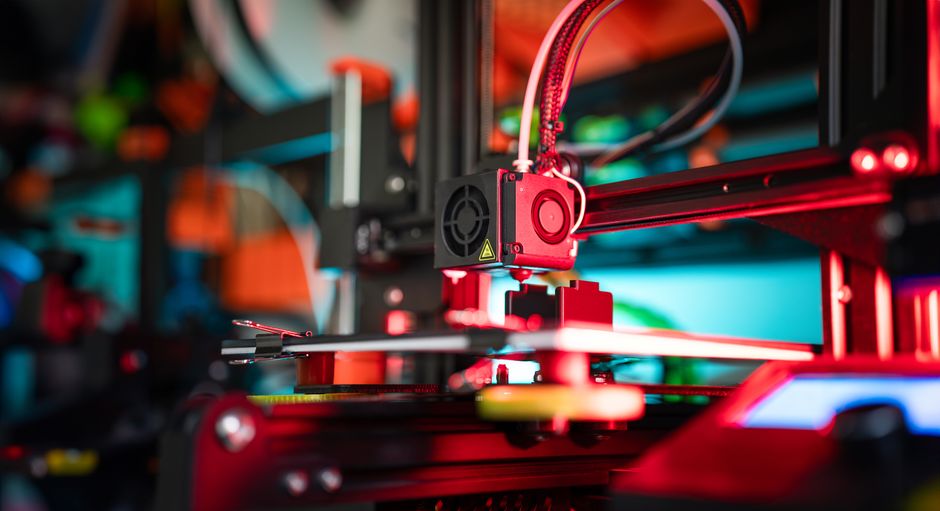
Small detailed minis demand crisp edges, tight texture reproduction, and a surface that painting can actually smooth out. On an FDM printer, filament choice strongly influences all of that—especially how well the material “locks in” at tiny layers, how much it strings, and how much sanding you’ll need afterward.
Below, you’ll get a practical ranking of PLA, PETG, and resin-like FDM filaments based on fine feature performance, surface finish, stringing behavior, and post-processing effort.
PLA for Crisp Mini Details

If you want a straightforward example filament, OVERTURE PLA Professional 1kg 2.85mm Yellow is the kind of standard PLA that typically behaves predictably when you’re dialing in detail prints.
Strengths
PLA generally shines when you care about:
- Fine feature performance: Smaller details tend to hold edges well, so spikes, faces, and lettering are less likely to look rounded.
- Surface finish: It can produce a clean look straight off the printer, and the layer lines are usually easier to reduce with light sanding and primer than many alternatives.
- Stringing: When properly tuned, PLA often strings less than PETG, which keeps thin parts from getting “fuzzy.”
Weaknesses
The trade-offs show up once you go beyond “display” prints:
- Mini durability: PLA is more brittle than PETG, so drops or frequent handling can cause chips.
- Heat sensitivity: If your minis will live in warm spaces, PLA can soften over time.
PETG for Stronger Minis With More Strings

For example, OVERTURE PETG 1kg 1.75mm Starry Blue reflects the typical PETG behavior you’ll experience: great strength potential, but more tuning needed for clean miniature work.
Strengths
PETG can be the better choice when reliability matters more than “perfect from the start” appearance:
- Fine feature performance: It can still print small parts well, but the material’s tendency to ooze and slightly round edges means ultra-tiny features can look softer unless your setup is dialed.
- Surface finish: The finish can be very nice, but the filament’s surface character can be less forgiving if you get tiny strings or slight blobbing on texture.
- Post-processing friendliness: PETG sands differently than PLA; it’s often workable, but you may need a bit more patience to keep sharp edges sharp.
Weaknesses
PETG tends to lose points for miniature-specific goals:
- Stringing: PETG is frequently more string-prone, so tiny supports, crevices, and thin texture details may collect hairline webs.
- Detail crispness: If your print has slight over-extrusion or slow retraction response, fine textures can blur instead of stay “etched.”
Resin-Like FDM Filaments for Smooth Texture
“Resin-like” FDM filaments (often marketed as being smooth, easy to paint, or closer to resin quality) are designed to improve the look of FDM prints—especially visible layer texture.
Think of them as a strategy to reduce the gap between typical FDM results and what you’d expect from resin printing: fewer distracting surface artifacts, better detail visibility, and a finish that needs less aggressive cleanup.
Strengths
For small detailed minis and texture-like surfaces, resin-like filaments often rank highest in how the print looks:
- Fine feature performance: Many resin-like materials are formulated to flow and solidify in a way that helps retain detail without the same “mushy” look you might get from some tougher polymers.
- Surface finish: You’ll usually see smoother transitions and less harsh layer-line texture, which is exactly what makes fabric folds, rock pores, and ornate engravings read as intended.
- Post-processing needs: These filaments often reduce the amount of sanding/filling you need to make surfaces look uniform—especially on curved areas and shallow textures.
Weaknesses
They aren’t magic, and the practical constraints still matter:
- Settings sensitivity: Resin-like materials can be less forgiving of sloppy calibration (flow, retraction, cooling). If your printer is slightly off, the “resin-like” advantage can disappear.
- Toughness can vary: Some resin-like filaments are excellent for detail but may not match PETG’s real-world impact resistance.
- Layer lines still exist: Even with great filament, FDM is still built in layers. You’ll still benefit from careful layer height, good support choice, and paint/primer work.
Which Filament Wins for Small Detailed Minis
Here’s the direct ranking for what you asked for—fine features, surface finish, stringing, and post-processing effort—assuming similar good setup on your printer.
- Resin-like FDM filaments: Best surface appearance and texture-like realism, with the lowest “cleanup burden” when tuned correctly. They’re often the most satisfying option when the miniature must look sharp right after primer.
- PLA: Best overall balance for mini detail on typical FDM hardware—usually crisp enough, usually less stringing than PETG, and generally easier to dial in. It’s a strong choice for frequent printing and predictable results.
- PETG: Best when toughness matters, but usually the highest work for miniature cleanliness. Expect more stringing and more attention to dialing retraction/ooze control so texture doesn’t get fuzzy.
Who should choose what:
- Choose PLA if you want the easiest path to crisp details and cleaner prints with minimal fuss—especially for small packs of minis you’ll paint quickly.
- Choose PETG if you’re making minis that will be handled, dropped, or exposed to stress, and you’re willing to put more effort into cleaning strings and refining your settings.
- Choose resin-like filaments if surface finish and texture realism are the priority, and you’re comfortable spending time on calibration so the material can perform as intended.
The biggest “behind the scenes” factors (that affect filament performance)
Even the best filament won’t fully overcome poor miniature print settings. For fine texture and tiny features, these setup choices often matter as much as the polymer type:
- Use a smaller nozzle and low layer height: This directly improves feature sharpness and reduces visible stepping on curved texture.
- Dial in retraction and temperature for string control: Filament chemistry affects how it oozes; tuning retraction and travel behavior reduces webbing that destroys tiny details.
- Manage cooling consistently: Too little cooling can soften edges; too much can make surfaces look rough. The right balance helps thin details solidify cleanly.
- Support strategy matters: Supports can mar textures more than they help. Place supports where they won’t ruin the areas you’re trying to keep detailed.
- Plan for painting and finishing: For minis, primer and light sanding are part of the finish pipeline. Resin-like filaments may reduce how much sanding you need, but primer is still the secret to consistent texture reading.
If you’re deciding right now, the simplest next step is to print the same miniature test pattern in PLA and (if you can) a resin-like FDM filament. Compare edge sharpness, stringing in recesses, and how much sanding is required before primer. That side-by-side result will tell you which filament will look best for your exact printer and miniature style.
PriceIt3D may earn a commission when you buy through links on this page, at no extra cost to you. Affiliate notice.