PLA+ should mean more than “easier to print.” The reason stronger parts survive real use is that the filament fuses consistently between layers and under load, not just that it prints without drama. This guide breaks down what to judge for tensile performance and layer adhesion, then ranks the PLA+ style filaments that match that goal.
You’ll also see how filament diameter and typical FDM setup choices affect results, because the same “strong” material can come out weak if your machine isn’t set up for it.
What “Best for Strength and Layer Adhesion” Actually Means in PLA+

- Interlayer adhesion (bond quality): This is the “glue line” between layers. If bonding is inconsistent, parts split along layer lines even if the material itself is tough.
- Material consistency and flow stability: Extrusion that wobbles (due to inconsistent diameter, poor drying, or wrong settings) creates micro-gaps and weak interfaces.
PLA+ is also slippery as a category. Many “PLA+” products are simply tougher-feeling PLA blends, sometimes with additives that change how the melt wets surfaces and how the part behaves under stress. That’s why the best option for you should be judged by how reliably it produces strong, clean bonds on your common printer setup.
When you’re shopping, prioritize:
- Bond reliability over absolute hardness: Strong adhesion usually beats “hard but brittle” for real-world snapping resistance.
- Printability on common FDM profiles: The most impressive filament doesn’t help if it needs perfect conditions you can’t maintain.
- Consistency: Same settings, same day, similar results. That’s what makes tuning predictable.
OVERTURE PLA Professional for Strong, Predictable Layer Bonding

If you want a safe bet for tensile performance and layer adhesion, a straightforward PLA-based filament often wins because it typically wets well and behaves predictably while fusing layers.
Strengths
- Reliable fusion: Works well when your goal is to maximize “bond first” strength rather than chasing specialty toughness.
- Great for tuning your process: When a filament is consistent, your slicer and temperature adjustments show clear cause-and-effect.
- Suitable for 2.85mm workflows: If your printer uses 2.85mm filament, compatibility alone can improve results by reducing feeding and flow issues.
Weaknesses
- Diameter compatibility matters: If you’re on a 1.75mm setup, you can’t just switch and expect similar performance—using the wrong diameter can harm extrusion stability.
- “Strength” depends on design: Tensile outcomes still rely heavily on your wall count, infill pattern, and layer orientation.
3DLabPrint PolyLight LW-PLA for Stiffness-to-Weight and Smooth Printing
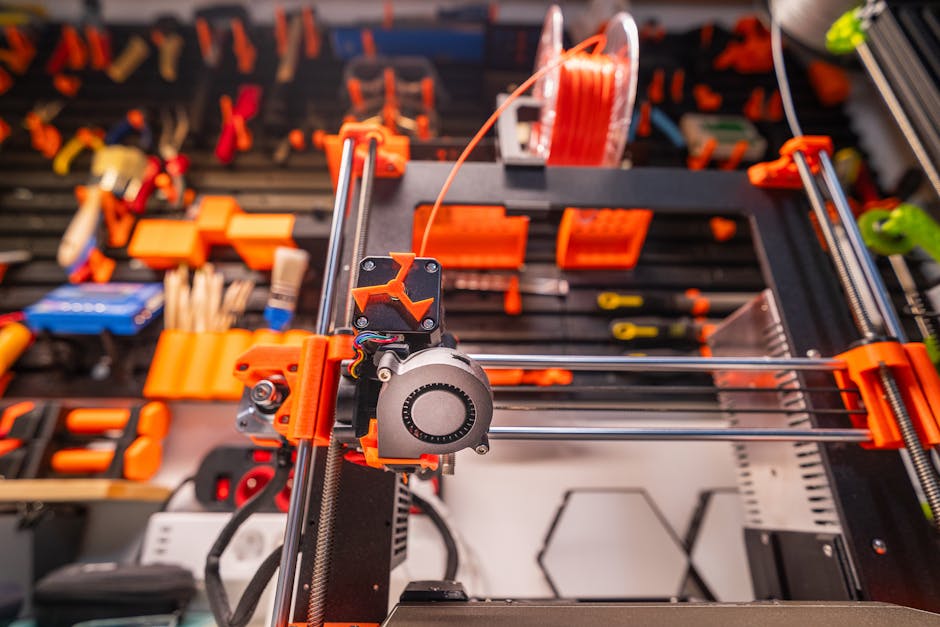
3DLabPrint PolyLight 1.0 LW-PLA 1kg 1.75mm Orange
This is a PLA-LW style material, meaning it’s often tuned for lighter parts and good day-to-day usability. For many makers, that translates to easy prints with fewer headaches—useful when you’re iterating on fit and strength.
Strengths
- Friendly printability on common 1.75mm printers: If your machine is set up for 1.75mm, this is a practical match for dialing in adhesion.
- Good results when you need stiffness without heavy mass: For brackets, mounts, and functional prototypes where weight matters, PLA-LW blends can be a strong choice.
- Consistency you can leverage: When a filament is easy to print, it’s easier to keep layer quality consistent across multiple runs.
Weaknesses
- Lightweight formats can trade off absolute tensile: Depending on the exact blend behavior, PLA-LW types may not always reach the same “max tensile” as a more traditional PLA+ style filament.
- More sensitive to settings that affect interface bonding: If you push too fast or run too much cooling, you risk reducing interlayer fusion.
eSUN PLA-LW for Easy-to-Run Parts With Solid Adhesion
PLA-LW products are often chosen because they’re stable and forgiving. That’s valuable for strength projects: you want consistent layers so the part fails where you expect (by material behavior) rather than by printing artifacts.
Strengths
- Strong odds for clean layer lines: Cleaner interfaces generally improve layer adhesion quality.
- Works well for practical functional prints: If your goal is dependable strength for everyday use, a PLA-LW option can be a balanced pick.
- Good match for 1.75mm setups: For most common FDM printer configurations, this reduces compatibility friction.
Weaknesses
- Not always the highest tensile performer: Lightweight-focused blends can prioritize easier printing and reduced mass over maximum tensile under ideal conditions.
- You still need to tune bonding for your part geometry: Wide layers, enough temperature, and controlled cooling matter more than people think.
Pick the Right PLA+ Style Filament for Your Strength Goal
To choose between these, decide what “strength” means for your parts:
- If you want the most reliable layer bonding (and you have 2.85mm hardware): OVERTURE PLA Professional 1kg 2.85mm Yellow is the best fit here. It’s the most straightforward route to strong interlayer fusion and predictable tensile behavior.
- If you’re on a 1.75mm printer and want practical strength with easy, consistent prints: 3DLabPrint PolyLight LW-PLA 1kg 1.75mm Orange is a strong contender, especially when part weight matters.
- If you want an easy-to-run PLA-LW that still produces dependable functional parts: eSUN PLA-LW 1kg 1.75mm White is a good default—aim it at consistent adhesion and you’ll usually get strong-enough results for brackets, enclosures, and mounts.
One key thing to do next: pick a single test model that stresses the way your real parts fail (layer-splitting vs. pure tension), then print it with the same nozzle, speed, and cooling you’ll use for production. Strong PLA+ results aren’t just about the filament label—they’re about achieving repeatable layer fusion on your setup.
PriceIt3D may earn a commission when you buy through links on this page, at no extra cost to you. Affiliate notice.