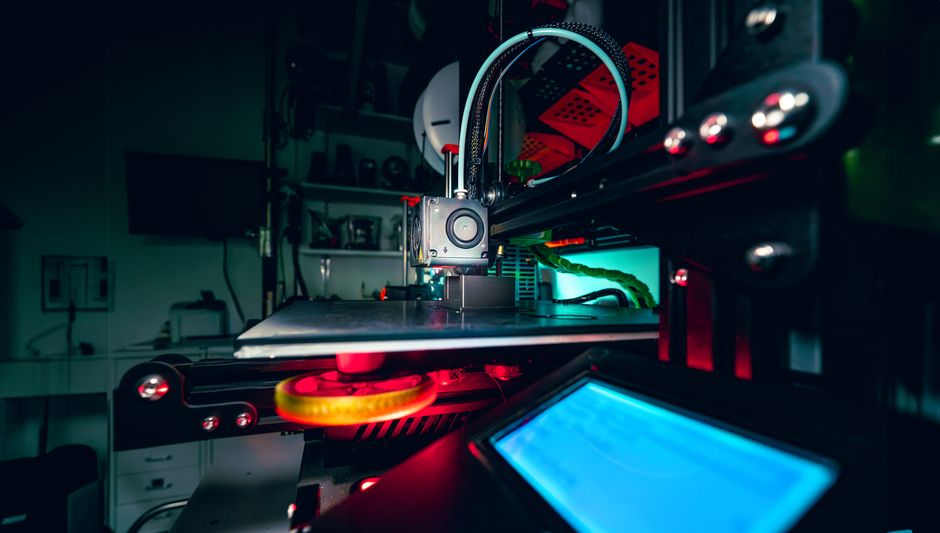

Polypropylene (PP) is one of the plastics people reach for when they need chemical-resistant parts that don’t crack as easily as stiffer materials. The catch: PP is also notoriously hard to print compared to PLA or PETG, so the “best” chemical resistance starts before you ever load filament.
This guide breaks down PP printability basics, the best real-world use cases, and the filament specs that matter for chemical-resistant performance—especially shrink rate, tensile behavior, layer adhesion, and odor/off-gassing.
Why Polypropylene (PP) Works for Chemical-Resistant Parts
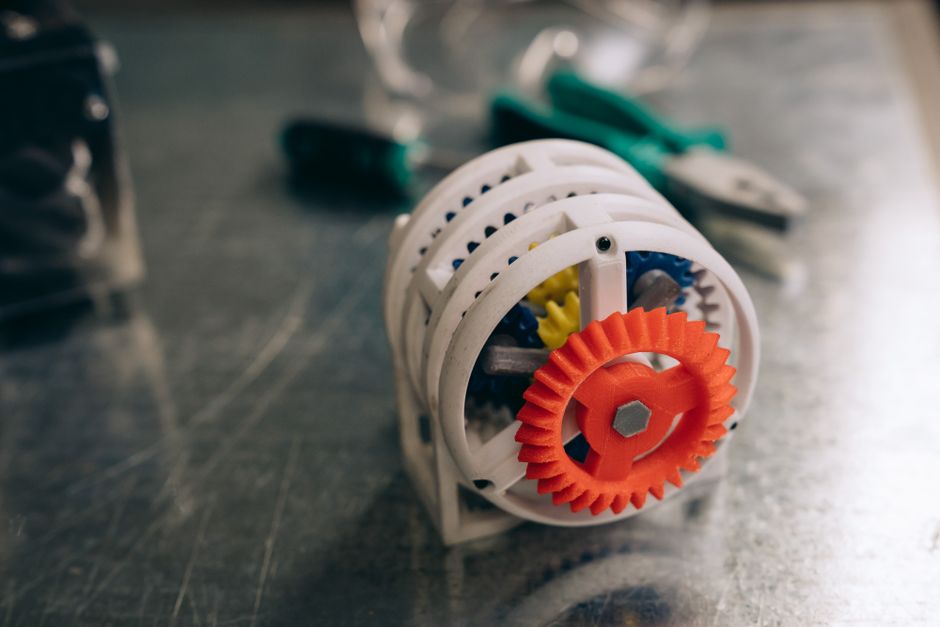
However, “chemical resistant” is not universal. Your material’s real performance depends on the specific chemical (and concentration), temperature, contact time, and whether the part has gaps, voids, or weak interlayer bonds. With 3D-printed parts, chemistry meets manufacturing: if your print has poor layer adhesion or micro-porosity, liquids can penetrate and undercut the bond lines even when the bulk polymer would otherwise resist the chemical.
So the best PP filament for chemical-resistant use is the one that you can print consistently with strong, well-fused layers and minimal warping/voids.
PP Printability Basics: Enclosure, Adhesion, and Warping Control
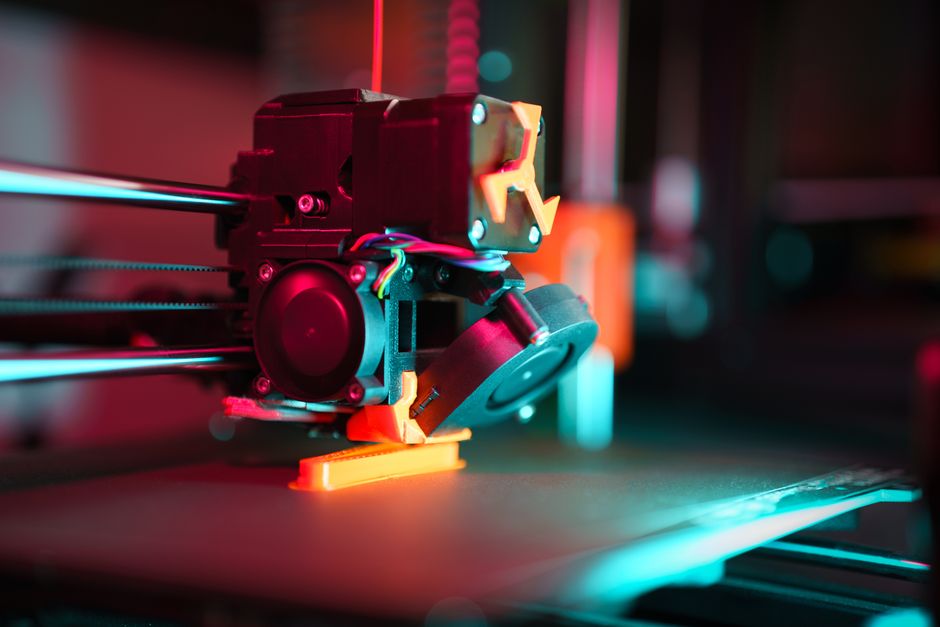
To get chemical-resistant parts that stay intact over time, focus on controlling three things: temperature stability, bed adhesion, and cooling. Use the checklist below as your starting point.
- Dry the filament first (PP can be sensitive to moisture in ways that show up as weak layers and inconsistent flow).
- Print in an enclosed or draft-free environment to reduce temperature swings that trigger shrink and edge lift.
- Use a surface that reliably holds PP and clean it before each print (you want predictable first-layer contact, not “it mostly sticks”).
- Increase first-layer stability with a brim (or equivalent) so corners don’t peel as the part shrinks.
- Manage cooling so the whole part transitions from molten to solid more evenly (avoid blasting a printed PP part with direct airflow).
If you’ve ever had PP prints curl upward like a spring, it’s usually shrink + uneven cooling. For chemical-resistant parts, that’s especially important: warped prints tend to have imperfect geometry and increased stress concentrations, which can open pathways for liquid intrusion.
Best Use-Cases for PP Parts
PP shines when you need a combination of toughness, chemical tolerance, and a part that can survive repeated wetting without cracking immediately.
Great PP use cases (where printing quality matters most):
- Fluid-handling accessories: small fittings, caps, internal brackets in splash zones, and covers that see periodic chemical contact.
- Reaction-friendly housings: protective covers and cable guides where liquids may drip onto the part.
- Impact-tolerant components: shields, guards, and tool fixtures where the part must flex slightly rather than shatter.
- Layer-sensitive sealing features: anything that needs consistent wall thickness and tight layer bonding around interfaces.
Where you should be more cautious:
- Long-term immersion in harsh chemicals or hot environments. Even good PP can be affected depending on the chemical class and temperature.
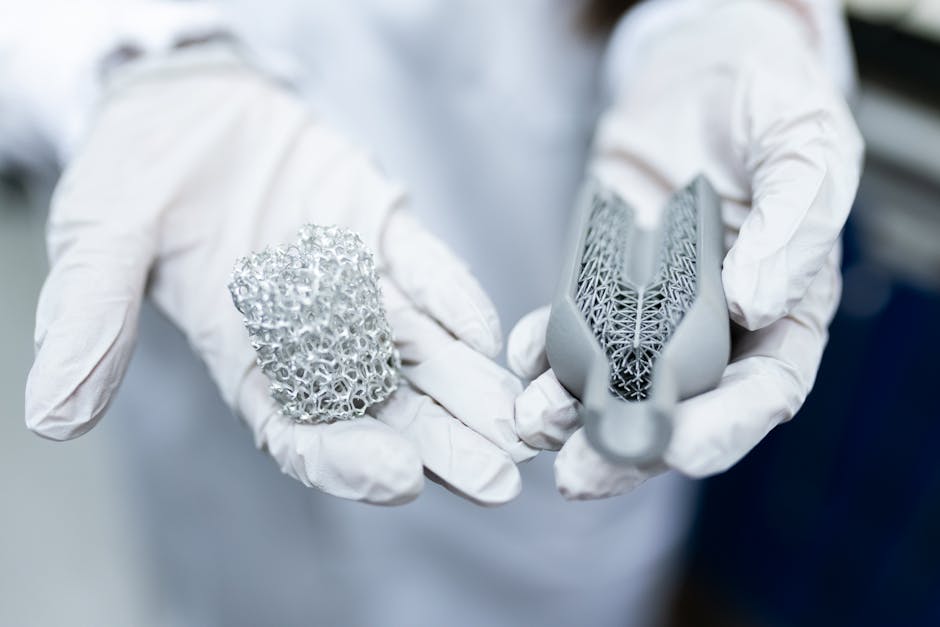
- Anything relying on tight sealing if your print has noticeable porosity. Layer lines can become weak planes for liquid ingress.
- Thin unsupported walls that deform during cooling. With PP, thickness and cooling uniformity affect both strength and permeability.
The “best” PP filament is the one that helps you produce dense, well-bonded walls, not one that only makes pretty surfaces during a calibration cube.
PP Filament Specs That Predict Chemical-Resistant Performance
When you compare PP filaments, don’t stop at “PP” in the name. The data that most strongly impacts chemical-resistant results are the ones tied to bonding, shrink behavior, and durability under stress.
Look for these specs (or test data) from the supplier:
- Tensile strength and elongation: higher ductility (not just strength) helps parts resist cracking at stressed edges and thin sections.
- Layer adhesion / interlayer strength: chemical attack often exploits weak planes; stronger bonds reduce penetration routes.
- Shrink rate (or recommended enclosure/chamber guidance): a lower effective shrink (or better-controlled shrink behavior) makes it easier to avoid warping and micro-gaps.
- Recommended print temperature window: stable extrusion across that range usually improves fusion and reduces voids.
- Odor / off-gassing notes: strong odor doesn’t automatically mean “bad chemical resistance,” but it can correlate with handling safety and comfort in your workspace.
- Moisture sensitivity guidance: if the filament needs strict drying to perform, plan for that—wet filament can weaken layers.
- Dimensional accuracy information: chemical-resistant parts often need geometry that maintains fit and sealing surfaces.
A practical way to interpret these: if two PP filaments print similarly but one has markedly better interlayer strength or lower shrink guidance, that’s often the better candidate for chemical-exposed parts.
Also remember that chemical resistance isn’t only material chemistry. If the filament requires high retraction tweaks to print cleanly but those tweaks increase stringing or surface defects, that can hurt real-world exposure performance. Clean, well-fused walls matter.
Choosing the Best PP Filament for Your Project
There isn’t a single universal “best PP filament” because chemical-resistant performance depends on your exact environment and on how reliably you can print the material into a dense, bonded part.
Pick based on what you’re optimizing:
- If chemical splashes and drips are your main exposure: prioritize strong layer adhesion and dimensional stability. Warping and peeling during print can create weak spots even if the polymer itself is tough.
- If your part needs to flex or survive knocks: prioritize tensile/impact-related behavior (ductility matters). Brittle blends may look strong in a lab number but fail sooner under real stresses.
- If you need better sealing features (caps, covers, internal gaskets): prioritize shrink control, dimensional accuracy, and clean wall formation. Voids and uneven walls increase liquid pathways.
- If you print indoors or in a shared space: prioritize odor/off-gassing documentation and workflow safety. You can still achieve excellent prints, but the “best” option for your situation includes safe handling.
One step that consistently improves outcomes for chemical-resistant PP parts is to validate with small test coupons before committing to the final geometry. Print a few samples with your intended settings, inspect layer bonding (no visible gaps), and if the use case is truly chemical, test the material exposure on a small representative piece under the same conditions you expect in the real application.
If you only do one thing next: choose a PP filament that explicitly supports consistent adhesion and provides useful shrink/handling guidance, then dial in your enclosure + brim + cooling so you get dense, well-bonded walls. That’s the foundation that turns “PP is chemical resistant” into parts that stay reliable in service.
PriceIt3D may earn a commission when you buy through links on this page, at no extra cost to you. Affiliate notice.