
Abrasive filaments can grind through a standard brass nozzle in surprisingly short order—so the nozzle material you choose directly affects print quality, uptime, and total effort. This guide walks through how wear happens, what each nozzle material does well, and how to adjust your slicer when you switch to an abrasive-ready nozzle.
Understand the wear mechanisms caused by abrasives
The main wear modes to think about are:
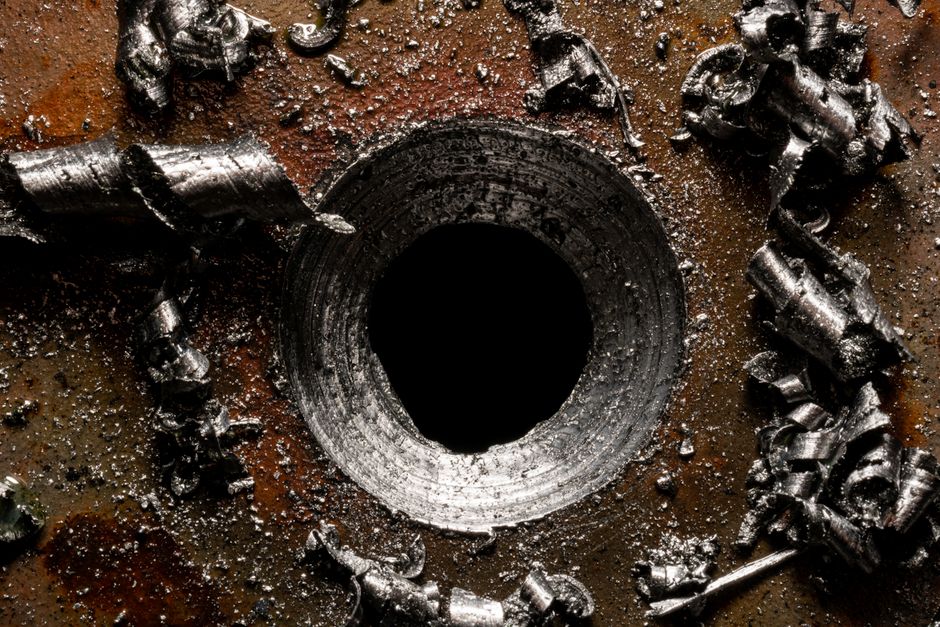
- Micro-cutting (abrasion): Hard particles act like tiny cutters, scratching and removing material from the nozzle tip and orifice. This is why “hardness” matters so much for abrasive filaments.
- Plowing and erosion: Particles don’t just scratch; they can also push material aside, gradually widening the orifice. That leads to subtle flow changes—your prints may start as “almost right” and then drift.
- Thermal and softening effects: If the nozzle surface softens at your operating temperature, abrasives remove material faster. In practice, temperature management and sustained heat matter even when the material is hard.
- Brittleness and impact sensitivity: Some ultra-hard materials are also more brittle. If your nozzle is exposed to shock (for example, a crash into the bed while the nozzle is hot), it can chip or crack instead of wearing gradually.
The takeaway: you’re balancing (1) resistance to abrasive cutting, (2) durability under thermal cycling, and (3) mechanical toughness for real-world handling.
Hardened steel nozzles for abrasive filaments

In abrasive service, hardened steel tends to perform well when the filament is moderately abrasive and your printing habits are steady (no frequent thermal spikes, no nozzle crashes, good filament cleanliness). You generally get more life than brass because the surface is harder, which slows micro-cutting.
What it often means in practice:
- Print quality stability: Hardened steel can still experience gradual orifice change over time, especially with very abrasive blends. Expect that “flow tuning” might be needed eventually (slightly adjusting extrusion multiplier or speed).
- Thermal behavior: Steel can handle typical nozzle temperatures comfortably, but its heat transfer characteristics are not identical to more conductive materials. That can affect consistency if your hotend is sensitive to temperature regulation.
- Mechanical toughness: Steel is usually more forgiving if the nozzle is bumped. That matters for hobby setups where bed contact accidents happen.
If you’re switching because you’re getting rapid brass wear but you don’t want the complexity or cost of specialized materials, hardened steel is often the practical middle ground.
Hardened steel weaknesses to watch
Hardened steel won’t match the wear resistance of the hardest options for every abrasive filament. For very aggressive “grindy” blends, it can still wear to the point where you’ll notice changes in lines, overhangs, and dimensional accuracy.
Ruby nozzles for abrasive filaments
Ruby nozzles (the common meaning is a nozzle or orifice with ruby/alumina-based ceramic) are chosen for their excellent resistance to abrasion. Ceramic surfaces can resist micro-cutting extremely well, which is why ruby is a popular answer when you want long wear life with abrasive materials.
How ruby tends to help:
- Abrasion resistance: Ceramic surfaces are very hard, so the abrasive particles have a harder time scratching or eroding the orifice.
- Flow consistency over time: If the orifice stays closer to its original shape, your extrusion and line width behavior stay more predictable.
Where ruby becomes different from metal nozzles:
- Brittleness and impact risk: Ceramic components are less forgiving of crashes. A nozzle strike can chip the ceramic or damage the tip area.
- Thermal shock sensitivity: Rapid heating/cooling or repeated large temperature swings can be harder on ceramic tips than on metals. Keeping your process stable helps.
- Compatibility details: Ruby inserts/nozzles may use specific mounting styles. Make sure the nozzle’s physical interface matches your hotend/heater block so you get good thermal contact and no leaks.
Ruby is a strong choice when your goal is maximizing abrasive filament nozzle life and you can treat the nozzle carefully.
Ruby weaknesses to watch
Ruby is not “install and forget” if the hotend setup is inconsistent or accidents happen. It can be more sensitive to mechanical abuse than metal nozzles, and poor thermal contact (wrong mount/fit) can create temperature instability or clogging.
Tungsten carbide nozzles for abrasive filaments
Tungsten carbide nozzles are widely recognized for high wear resistance against abrasive particles. They’re typically used when users want a tough, long-life abrasive option that still behaves more like a conventional nozzle than a brittle ceramic insert.
In abrasive service, tungsten carbide tends to shine because:
- High hardness at the wear surface: Abrasives are less able to scratch or erode the orifice.
- More mechanical robustness than some ceramics: Carbide is still tough for its hardness level, which can help during day-to-day handling compared to very brittle ceramic tips.
Thermal and flow considerations still matter:
- Thermal conduction differences: Carbide surfaces and their holders can affect heat transfer slightly. If your hotend control is marginal, you may see small temperature sensitivity at the nozzle tip.
- Clogging behavior: Abrasive filaments sometimes carry debris as they wear the nozzle. Once the nozzle is carbide or ceramic, the debris profile and how it moves through the orifice can change. That can impact how your first few prints behave after switching.
Tungsten carbide is often a sweet spot when you want very good wear resistance but also want less brittleness than a pure ceramic approach.
Tungsten carbide weaknesses to watch
Carbide nozzles can still be damaged by hard strikes, and quality varies a lot by how the nozzle is made and mounted. If the nozzle’s thermal interface isn’t solid, you can get inconsistent extrusion even if the wear surface is excellent.
Set slicer speed and temperature for an abrasive-ready nozzle
Switching nozzle material isn’t only about wear life—your extrusion dynamics can change too. Some abrasive filaments also run differently once the nozzle surface changes (different surface friction, different “feel” of melt flow, and different likelihood of partial restriction).
Use this checklist when you install a hardened steel, ruby, or tungsten carbide nozzle and start printing abrasive filament.
- Heat-cycle and verify fit before printing: Install the nozzle correctly, heat the system, and confirm there’s no leakage at the joint.
- Purge fully to remove old residue: Run the appropriate purge procedure for your setup so brass/steel debris isn’t trapped during the first prints.
- Start from the filament maker’s temperature range: Keep your first test within the manufacturer’s recommended range rather than guessing based on your old nozzle.
- Reduce print speed to stabilize flow: Lower speeds help maintain consistent melt pressure when the new nozzle surface changes friction and wear behavior.
- Keep retraction conservative: Excessive retraction can encourage clogs or grinding debris accumulation in the melt path. If you’re unsure, reduce retraction distance slightly versus your brass settings.
- Monitor first-layer and extrusion consistency: Look for under-extrusion or “thin” lines early. Small adjustments to flow/extrusion multiplier are often safer than large temperature jumps.
- Avoid temperature swings: Abrasive printing tends to be more sensitive to stability. Don’t make big changes mid-run unless you’re troubleshooting.
- Run a short test before committing: Print a small calibration object or multi-part test to confirm line width, dimensional accuracy, and surface finish.
Why these steps matter: you’re trying to prevent the new nozzle from being stressed by sudden pressure spikes, inconsistent melt temperatures, and early clogs—common reasons that people blame the nozzle material when the real culprit is slicer settings and process stability.
Who should buy which nozzle material
- Choose hardened steel if you want a practical upgrade from brass, you’re printing abrasives occasionally or in moderate blends, and you need a nozzle that’s more forgiving in day-to-day handling.
- Choose ruby if your top priority is long wear life against abrasives and you can keep the nozzle protected from crashes and temperature shock.
- Choose tungsten carbide if you want very strong abrasive resistance with a generally more robust approach than ultra-brittle ceramic tips, while still treating the nozzle carefully.
The one thing to do next is simple: after installing a new nozzle material, run a short, controlled test while keeping temps near the filament’s recommendations and reducing speed. That’s the fastest path to getting stable extrusion and avoiding clogs or rapid wear as you dial in your abrasive-ready setup.
PriceIt3D may earn a commission when you buy through links on this page, at no extra cost to you. Affiliate notice.