TPU and TPE both fall under “flexible filament,” but not all flexibility is the same. The material you pick will change how parts return to shape, how they handle, and how easily your printer can push the filament without jams.
This guide breaks down the differences you’ll actually notice: Shore hardness (in plain terms), direct drive vs Bowden feeding, and what TPU vs TPE is usually best at—so you can choose confidently for your next project.
TPU vs TPE: how the chemistry changes your prints

In practice, that means:
- TPU often lands in the “springs back well” category. Parts usually recover nicely after flexing and tend to feel more “structured.”
- TPE can range from rubbery and pliable to fairly stiff for its class, depending on the specific formulation. Two TPE spools with the same label can behave differently.
The takeaway: TPU vs TPE is a helpful starting point, but the final answer still comes down to the specific material—especially the Shore hardness rating and how it feeds on your printer.
Shore Hardness: the quickest way to judge flexibility

- Lower Shore numbers generally mean softer material.
But there’s a catch: Shore A and Shore D are different scales. A filament listed as Shore A can’t be compared directly to one listed as Shore D just by the number.
That’s why it helps to look at the scale in the product label and compare within the same scale.
For example, SUNLU TPU 92A 0.5kg 1.75mm Transparent is marked on the Shore A scale, so it’s designed to be firm-flexible rather than “squishy.” On the other end, Fiberlogy FIBERFLEX TPE 40D 0.85kg 1.75mm Red is marked as Shore D, which is a different scale, but that low number strongly suggests a softer, more pliable feel.
If you want an easy, repeatable way to interpret Shore hardness, that’s exactly what our Shore hardness guide is designed for—this article just connects it directly to choosing between TPU and TPE.
Feeding matters: Direct Drive vs Bowden
Flexibility isn’t only about the plastic—it’s also about your printer’s motion path.
Flexible filaments tend to buckle if there’s too much unsupported distance between the drive gears and the nozzle. That’s where direct drive vs Bowden comes in.
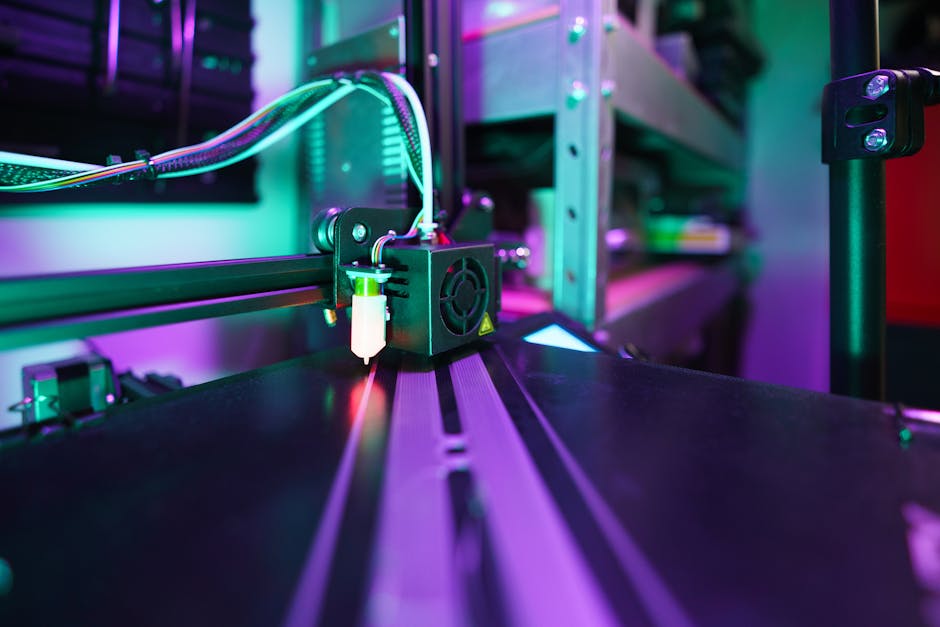
Direct drive means the drive gears are mounted close to the hotend. This short feed path helps keep the filament straight, which usually improves reliability with softer, more flexible materials.
Bowden setups push filament through a longer tube from the extruder to the hotend. With flexible filament, that extra length can increase the odds of:
- filament curling or buckling inside the tube
- inconsistent extrusion (especially during retractions and direction changes)
- more stringing and messy travel due to unstable flow
So, which is “better”?
- Direct drive is typically the safer choice for softer TPU/TPE and for getting predictable results.
- Bowden can work with flexible filament, but it demands a more careful setup (tight, clean tubing path; good nozzle seating; and conservative motion/retraction behavior).
What TPU is usually best for
TPU is a strong pick when you want flexibility plus durability and clean part behavior after flexing.
Strengths
- Balanced flexibility: TPU is often a good “just flexible enough” option for practical parts that still need structure.
- Consistent feel for functional use: if you’re aiming for parts that flex repeatedly without turning into gooey mishaps, TPU is often the most predictable starting point.
- Great for everyday flex: things like protective covers, clips, bumpers, and wear-prone details typically benefit from TPU’s mix of grip and springback.
Trade-offs
- If the Shore hardness is too high, TPU can print “rubbery but firm,” which may not match the soft, squishy feel some projects need.
- If it’s too low for your printer’s setup, even TPU can become difficult to feed—so don’t ignore direct drive vs Bowden.
What TPE is usually best for
TPE can be an excellent choice when you want a softer, more compliant feel—think more “rubber band” than “hinge.”
Strengths
- Softer touch and compliance: many TPE variants feel more forgiving and cushioning in contact applications.
- Flexible comfort: when you want parts that conform or gently flex, TPE can deliver the feel you’re after.
- Works well for certain consumer-style parts: straps, grips, and soft-touch components often benefit from the more pliable behavior.
Trade-offs
- Wider variability: because TPE is a category, two TPE filaments can print very differently. Shore hardness becomes even more important here.
- Feeding sensitivity: softer TPE can be harder to push reliably on Bowden setups, especially with aggressive retractions or fast motion.
Choosing between TPU and TPE for your project
You’ll get better results faster if you decide using both material feel and printer feeding capability. Here’s a practical way to choose.
- Pick the feel first using Shore hardness: aim for the soft or firm handling you want (remember Shore A and Shore D aren’t directly interchangeable).
- Match the feeding system: if you have direct drive, you can usually explore softer flexible options more confidently; with Bowden, lean toward firmer Shore ratings.
- Think about repeated flexing: if the part must spring back reliably, TPU is often the safer starting point.
- Think about cushioning and comfort: if the part should compress and conform, TPE may better match the goal.
- Reduce failure risk in your slicer behavior: flexible filaments tend to like more conservative retraction and smooth travel motion to avoid extrusion wobble.
- Do a small test print: one short, simple sample (a small flex tab or ring) tells you far more than reading a label alone.
If you want the easiest path, start with TPU when you care about predictable springback and durability, and start with TPE when the feel you want is softer and more compliant. The next step is choosing the Shore hardness that matches your desired grip or cushioning—and then confirming your printer can feed it reliably with your direct drive or Bowden setup.
PriceIt3D may earn a commission when you buy through links on this page, at no extra cost to you. Affiliate notice.